
Heat Treated Pallets: What They Are and When Your Business Needs Them
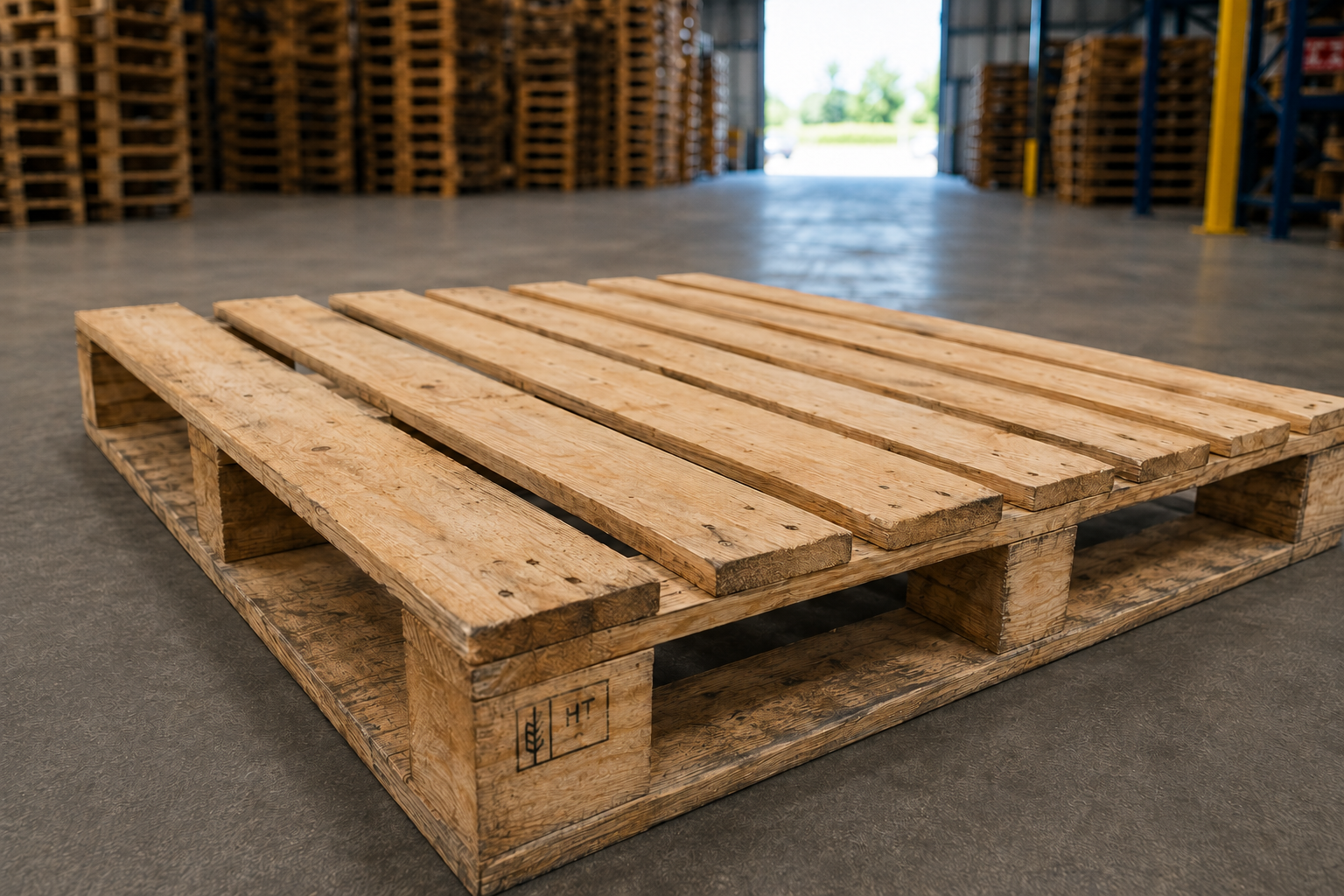
Heat treated pallets are required for many international shipments because they help meet global regulations for wood packaging materials. If your business exports products or ships goods overseas, using the right pallet can help you avoid customs delays and keep your shipments moving smoothly.
This article explains when heat treated pallets are required, how they work, how to identify them, and what to consider before choosing one for your business.
Why Do Some Pallets Need Heat Treatment?
Wood is a natural material, which means it can sometimes contain insects, larvae, or other pests. When untreated pallets are shipped between countries, those pests can spread into new environments and damage forests or agricultural crops.
To reduce that risk, many countries require wooden pallets used in international shipping to be heat treated before they cross the border. The treatment removes harmful pests without using chemicals, making the pallets safe for global trade.
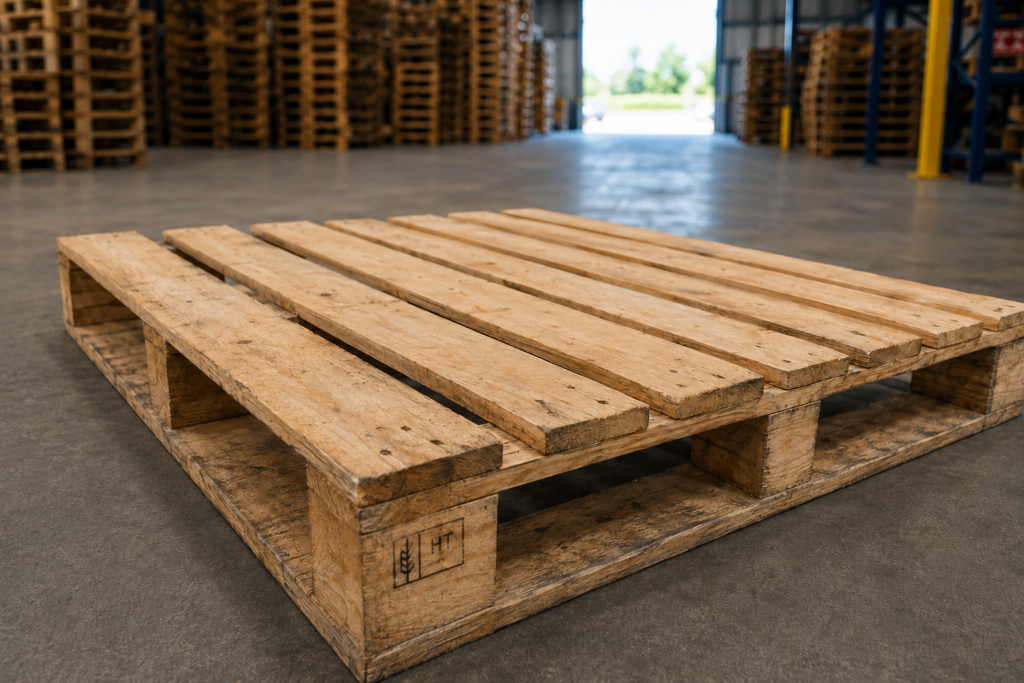
Once the process is complete, approved pallets receive an HT stamp, confirming they meet ISPM 15 requirements for export.
How Does the Heat Treatment Process Work?
The process begins after a pallet is manufactured or selected for treatment. It is placed inside a heat treatment chamber, where the wood is heated until it reaches the temperature required under ISPM 15 standards.
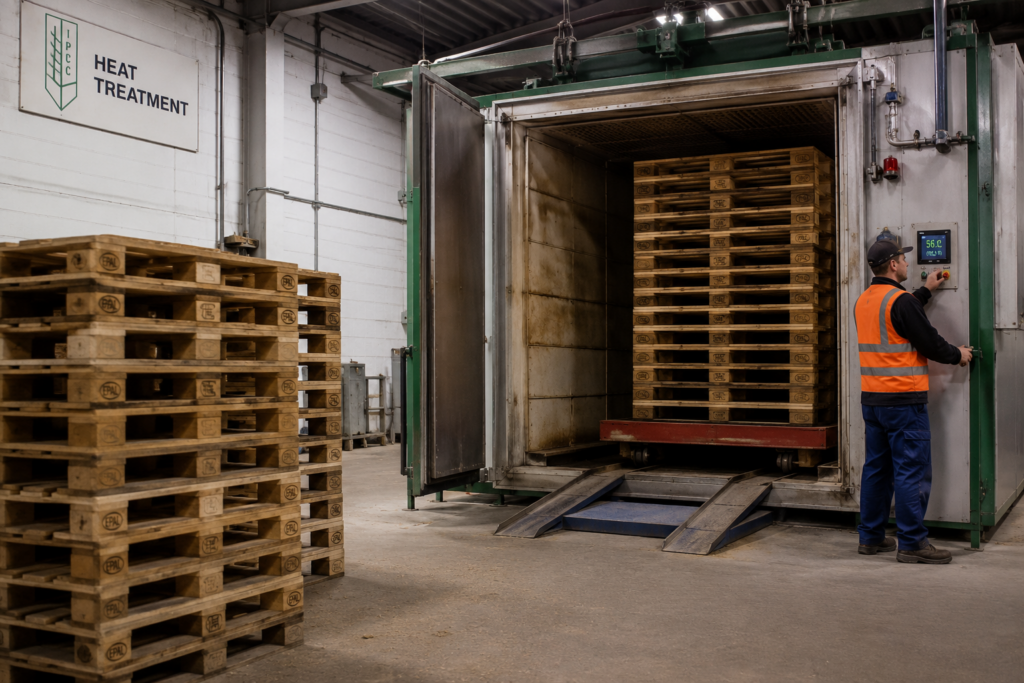
Once the treatment is complete, the pallet is inspected and marked with an HT stamp to show it meets international shipping requirements. This stamp allows customs officials to quickly identify pallets that have been properly treated for export use.
Bottom Line
Heat treatment is different from kiln drying. While both use heat, kiln drying mainly reduces moisture in the wood, whereas heat treatment is carried out to meet ISPM 15 export regulations.
Why Are Heat Treated Pallets Important?
Using heat treated pallets is about more than meeting regulations. They help businesses ship products internationally without unnecessary delays, inspections, or customs issues.
Many countries require wood packaging materials to comply with ISPM 15 standards before they can enter their borders. Using properly treated pallets helps protect shipments and keeps your supply chain running smoothly.
For businesses involved in exporting, choosing the right pallets from the start can save both time and unexpected costs.
How Can You Identify Heat Treated Pallets?
The easiest way to identify heat treated pallets is by looking for the HT stamp. This mark shows that the pallet has been treated under ISPM 15 requirements and is approved for international shipping.
The mark is usually branded onto one of the pallet’s side blocks or stringers and includes the country code, producer code, and the HT designation.
If a pallet doesn’t have a valid HT stamp, it may not be accepted for export, even if it appears to be in good condition.
What You’ll Find on an HT Stamp
A typical HT stamp includes the IPPC logo, the country code, the producer code, and the “HT” mark showing the pallet has been heat treated under ISPM 15 requirements.
When Are Heat Treated Pallets Required?
Not every shipment requires heat treated pallets. Their main purpose is to meet import regulations for countries that follow ISPM 15 standards.
If your products are shipped within Canada, heat treatment is generally not required unless a customer or industry standard specifies otherwise. However, businesses exporting goods on wooden pallets should use properly marked heat treated pallets to help avoid customs issues and shipping delays.
| Shipping Situation | Recommended Pallet | Reason |
|---|---|---|
| Local deliveries within Canada | Standard wooden pallet | Export regulations don’t usually apply. |
| Shipping products to the United States | Heat treated pallet | Helps meet ISPM 15 import requirements. |
| Overseas exports | Heat treated pallet | Required by many countries for wood packaging. |
| Customer specifically requests compliant pallets | Heat treated pallet | Meets buyer and shipping requirements. |
Heat Treated or Standard Wooden Pallets: Which Should You Choose?
If your business only stores products or ships them within Canada, standard wooden pallets are often a practical and cost-effective choice. They handle everyday warehouse and transport needs without the additional export requirements.
If you’re exporting products or working with customers who require ISPM 15 compliance, heat treated pallets are the better option. Using the correct pallet from the start helps avoid customs delays and ensures your shipments meet international regulations
Choosing the Right Pallet for Different Business Needs
| Business Requirement | Standard Wooden Pallets | Heat Treated Pallets |
|---|---|---|
| Everyday warehouse storage | Well suited | Suitable |
| Local deliveries within Canada | Recommended | Can also be used |
| International shipping | Not generally suitable | Recommended |
| ISPM 15 export compliance | No | Yes |
| Import and export operations | Limited use | Best choice |
The right choice comes down to how your business uses pallets. If your operations are mainly within Canada, standard wooden pallets are often the most practical option for storage and local transportation. Businesses that regularly export goods or supply international customers should choose heat treated pallets to meet shipping requirements and reduce the risk of delays during the export process.
Industries That Commonly Use Heat Treated Pallets
Many businesses use heat treated pallets because they help meet shipping requirements for international trade while providing the same reliable support as standard wooden pallets. They are commonly used by companies that export products or work with global supply chains.
Some of the industries that regularly use heat treated pallets include:
- Manufacturing – Exporting machinery, equipment, and industrial products.
- Food and Beverage – Shipping packaged food products where compliant wood packaging is often required.
- Agriculture – Exporting produce, seeds, and farming equipment.
- Retail and Wholesale – Supplying products to international distributors and retail partners.
- Logistics and Freight – Managing domestic and international shipments across different markets.
- Warehousing and Distribution – Handling inventory that is prepared for export or overseas delivery.
The right pallet depends on where your products are going and the requirements of your customers or shipping partners. Choosing the appropriate pallet from the beginning helps keep goods moving efficiently throughout the supply chain.
Choosing the Right Heat Treated Pallets for Your Business
Not all shipments have the same pallet requirements. The right choice depends on factors such as your destination, the type of products you’re shipping, load capacity, and whether your shipments need to meet international regulations.
Before ordering heat treated pallets, it’s worth considering:
- Whether your shipments are domestic or international.
- The weight and size of the products being transported.
- Any packaging or import requirements set by your customer.
- The quantity of pallets needed for regular operations.
- Whether new or recycled wooden pallets are suitable for your business.
If you’re unsure which option best fits your operation, getting advice from an experienced pallet supplier can help you choose the right solution while avoiding unnecessary costs.
Conclusion
Choosing the right heat treated pallets isn’t just about meeting shipping requirements. It’s about selecting pallets that match the way your business stores, handles, and transports products. Understanding when heat treatment is required, how to identify compliant pallets, and which option best suits your operations can help you avoid unnecessary delays and keep your supply chain running efficiently.
Whether you need pallets for regular exports or guidance on selecting the right option for your business, West Coast Pallet Ltd. provides dependable pallet services & solutions across British Columbia. Explore our product range or get in touch with our team to discuss the right pallet solution for your operations.