
Skid Pallet: Is It the Right Choice for Your Business?
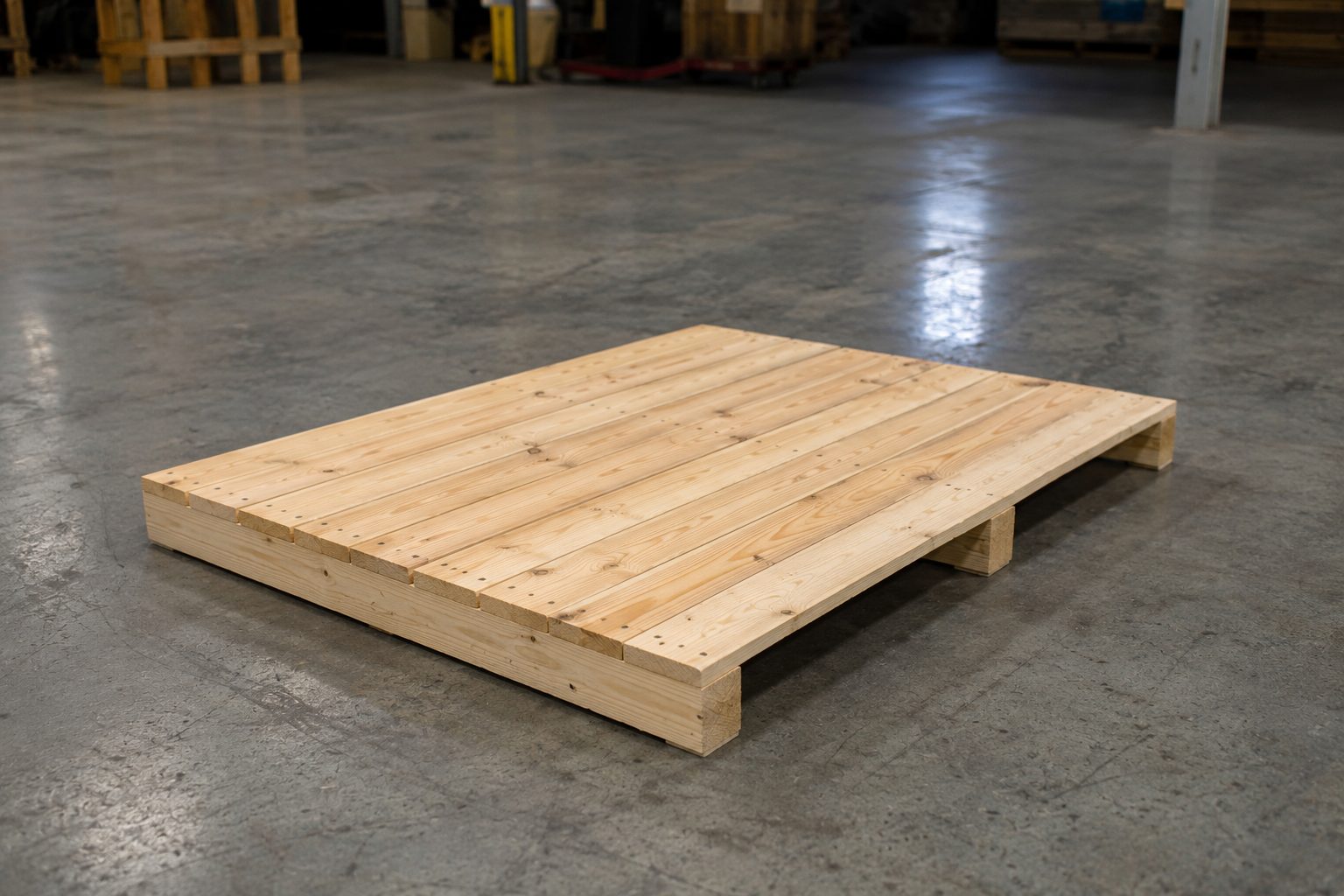
Skid pallet solutions are often considered for heavy equipment, machinery, and loads that don’t require a traditional pallet. Although the terms skid and pallet are frequently used interchangeably, they are built differently and serve different purposes.
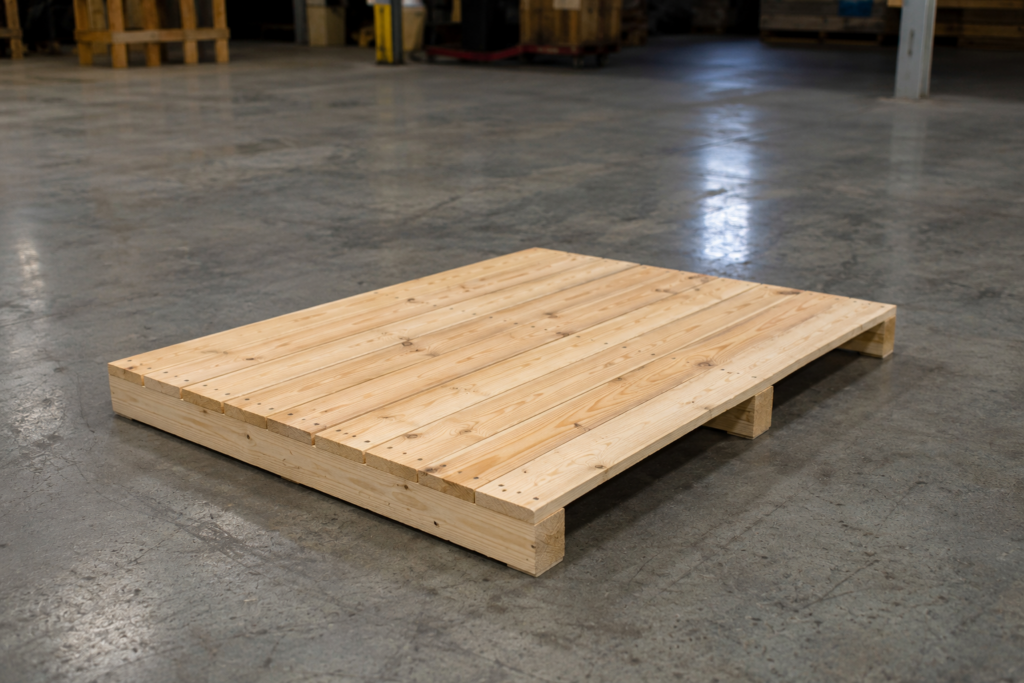
Knowing where a skid performs better, and where a standard pallet is the smarter choice—can help reduce handling issues, improve efficiency, and prevent costly mistakes. This guide explains the differences in practical terms, so you can choose the right option for your operation in British Columbia.
Why Are Skids and Pallets Often Confused?
The terms skid and pallet are frequently used as if they mean the same thing, especially in warehousing, shipping, and manufacturing. In everyday conversations, it’s common to hear someone refer to a pallet as a skid, even when they’re talking about a standard wooden pallet.
The confusion comes from the fact that both are designed to support and move goods. However, their construction is different, which affects how they’re handled, stacked, and used in different applications. Knowing that difference helps you choose the right option instead of relying on a name that’s often used loosely.
Skid Pallet vs. Standard Pallet: Which Fits Your Operation?
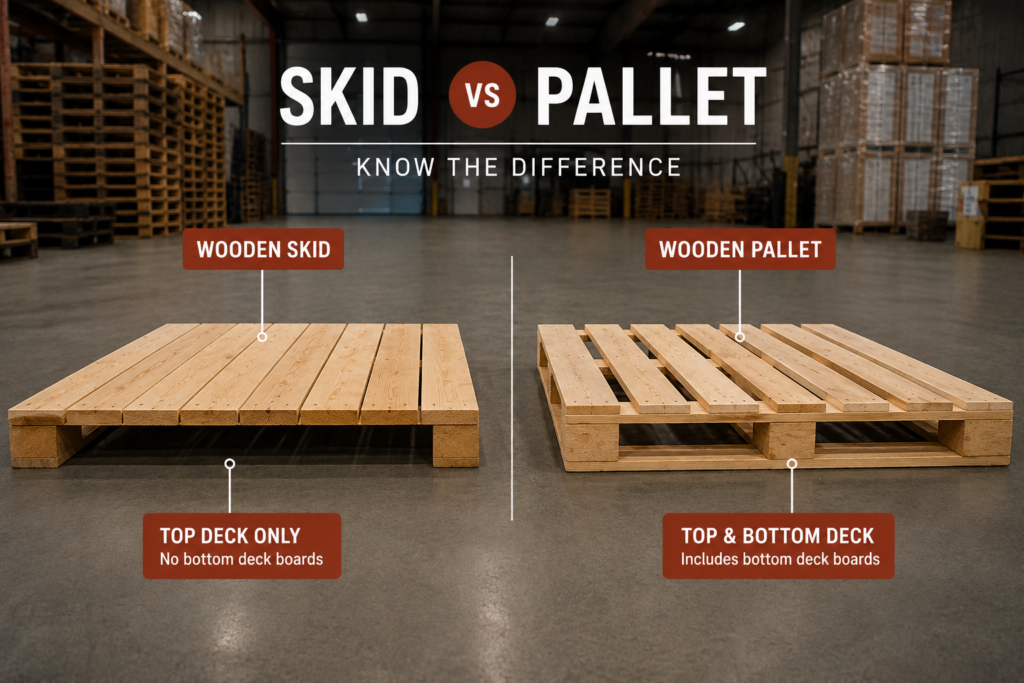
Although they look similar at first glance, a skid pallet and a standard wooden pallet are built for different purposes. The biggest difference is found underneath the platform.
| Feature | Skid | Standard Pallet |
|---|---|---|
| Bottom deck | No | Yes |
| Forklift access | Limited | Easier from multiple sides (depends on pallet design) |
| Pallet jack compatibility | Generally not suitable | Designed for pallet jacks and forklifts |
| Best suited for | Heavy equipment, machinery, stationary loads | Warehousing, transportation, distribution, and storage |
| Stackability | More limited | Better for stacking and warehouse operations |
For businesses that regularly move inventory through warehouses or distribution centres, a standard pallet is usually the more practical choice. A skid is often selected when the load remains on the platform for longer periods or requires a stable base for transporting heavy equipment.
When Is a Skid Pallet the Right Choice?
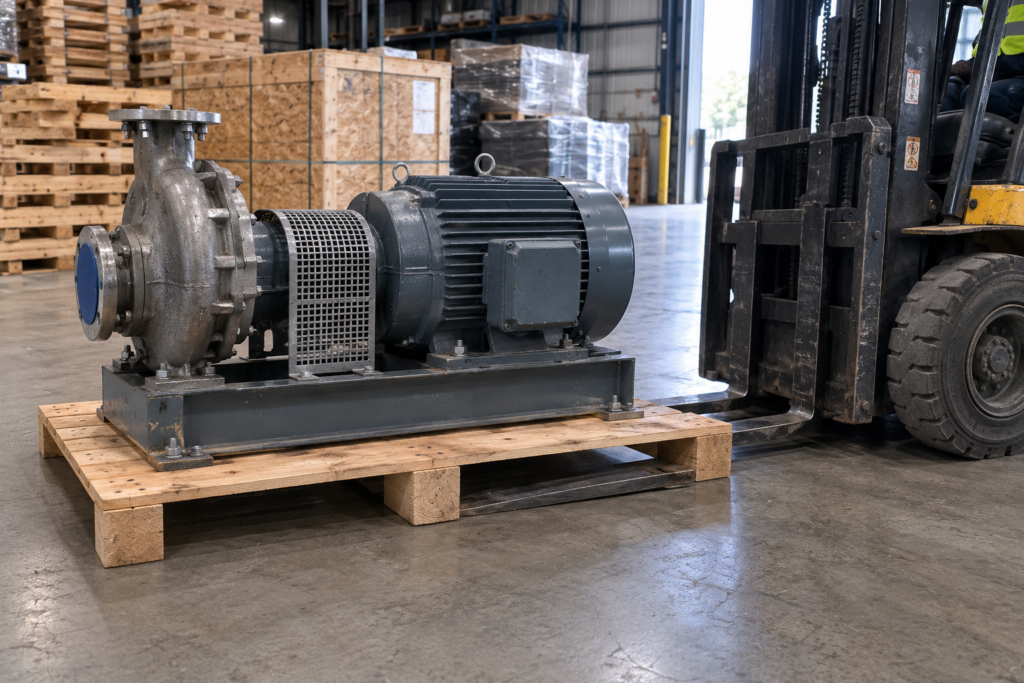
A skid pallet is a practical option when the load will stay in one place for most of its life or only needs occasional movement. Since it has no bottom deck, it works well for applications where simplicity, lower cost, and direct floor placement matter more than repeated handling.
A skid pallet is commonly used for:
- Heavy machinery and industrial equipment
- Construction materials
- Large generators and compressors
- Stone, metal, and fabricated products
- Equipment prepared for export or long-distance shipping
If your products move through warehouses several times or require frequent forklift handling from different directions, a standard pallet is usually the better choice. For stationary or heavy loads, however, a skid pallet often delivers the best balance of strength and cost.
Why Many Industrial Loads Still Ship on Skid Pallets
Although standard pallets dominate warehouse operations, skid pallets continue to be the preferred base for many heavy-duty shipments because they are built around stability instead of repeated material handling.
Businesses often choose skid pallets because they offer:
- Lower manufacturing cost than many standard pallet designs
- Strong support for oversized or concentrated loads
- Easy customization for unique equipment dimensions
- Reliable base for export crating and machinery transport
- Simple design that is easy to repair when needed
For manufacturers, fabricators, and industrial suppliers, these advantages often outweigh the need for four-way warehouse handling.
How a Skid Pallet Is Built (And Why the Design Matters)
At first glance, a skid pallet looks similar to a standard wooden pallet, but one structural difference changes how it performs. Instead of a bottom deck, a skid pallet is built on long runners that support the load and keep the base stable.
The overall design affects how much weight the skid can carry, how it is lifted, and the type of products it is best suited for.
Runners
Wood runners form the foundation of a wooden skid pallet. They support the load from below while creating enough clearance for forklifts or other material-handling equipment.
A properly built runner helps distribute weight more evenly and reduces stress on the deck boards during lifting.
Top Deck Boards
The top deck is where products are placed. The number, thickness, and spacing of the boards are selected according to the type of load being supported.
For heavier machinery or equipment, thicker deck boards provide greater stability and reduce movement during transport.
Fasteners
High-quality nails or screws are used to secure the deck boards to the runners. Strong fastening helps the skid remain rigid during loading, unloading, and transportation, especially when carrying concentrated weight.
Can a Skid Pallet Be Built for Different Load Requirements?
Not every shipment places the same demands on a skid pallet. The right design depends on the product’s weight, dimensions, lifting method, and shipping conditions.
Manufacturers can adjust several specifications to improve performance, including:
- Runner thickness and quantity
- Deck board spacing
- Overall skid dimensions
- Wood species
- Heat treatment for export shipments
- Load capacity requirements
Selecting these specifications correctly helps improve product stability while reducing the risk of damage during handling and transportation.
Common Uses of Skid Pallets Across Different Industries
Skid pallets are widely used where products are heavy, oversized, or remain on the same base throughout storage and transportation. Their simple design makes them a practical choice for industries that prioritize stability over frequent material handling.
Some of the most common applications include:
| Industry | Why Skid Pallets Work Well |
|---|---|
| Manufacturing Equipment | Supports heavy machines, fabricated parts, and industrial equipment. |
| Construction | Ideal for transporting building materials and oversized components. |
| Export Shipping | Serves as a stable base for crated equipment and international shipments. |
| Energy & Utilities | Commonly used for generators, pumps, motors, and electrical equipment. |
| Metal & Steel Fabrication | Handles concentrated loads that require solid ground support. |
Rather than using the same pallet for every product, many businesses select skid pallets specifically for shipments that require extra stability or custom dimensions.
H2: Choosing the Right Skid Pallet for Your Load
A skid pallet performs best when its design matches the product it needs to support. Selecting the right size, construction, and material helps improve load stability, reduces handling issues, and protects the shipment throughout storage and transport.
Before ordering a wooden skid pallet, consider these factors:
| Factor | Why It Matters |
|---|---|
| Load Weight | Heavier equipment may require thicker runners and reinforced deck boards for better load support. |
| Product Dimensions | The skid should fully support the product without excessive overhang that could affect stability. |
| Handling Equipment | Confirm whether the skid will be lifted by a forklift, pallet jack, or crane to ensure the design provides suitable forklift access. |
| Shipping Requirements | Export shipments may require heat-treated wood that complies with ISPM 15 regulations. |
| Storage Environment | Indoor warehouses, outdoor yards, and humid conditions can influence the most suitable wood and construction method. |
Choosing these specifications early helps prevent product damage, unnecessary replacement costs, and delays during transportation.
Why Material Quality Matters in a Wooden Skid Pallet
The performance of a wooden skid pallet depends on more than its dimensions. The quality of the lumber, runner construction, and fastening methods all influence how the skid performs under load.
A well-built skid should:
- Support the intended weight without excessive flexing.
- Keep the load stable during lifting and transport.
- Withstand repeated handling in industrial environments.
- Allow practical repair when individual components become damaged.
While lower-grade skids may reduce the initial purchase cost, stronger construction often provides better value by extending service life and reducing product damage.
Mistakes That Can Shorten the Life of a Skid Pallet
A skid pallet can last for years when it is matched to the right application. However, many failures happen because the skid is used beyond its intended purpose rather than because of poor construction.
Some of the most common mistakes include:
- Using a skid that is too small for the load, causing uneven weight distribution.
- Exceeding the recommended load capacity during storage or transportation.
- Leaving wood skids exposed to standing water for extended periods.
- Lifting the skid from unsupported points, which can damage the wood runners.
- Continuing to use a skid after cracked runners or loose deck boards have been identified.
Regular inspections and proper handling help extend the service life of industrial skid pallets while reducing the risk of product damage.
Selecting the Right Skid Pallet Starts With the Right Requirements
Every shipment places different demands on its supporting base. Factors such as product weight, dimensions, handling equipment, and shipping conditions all influence which skid pallet will perform best.
For businesses moving machinery, fabricated metal products, construction materials, or export equipment, selecting the correct skid from the beginning helps improve handling efficiency and protects valuable goods throughout transportation.
If you’re unsure which specification best suits your application, discussing your requirements with an experienced pallet supplier is often the simplest way to avoid unnecessary costs and handling problems.
Conclusion
Choosing the right skid pallet is about more than supporting a product during transport. The right design improves load stability, simplifies material handling, and helps protect valuable equipment throughout storage and shipping.
By understanding how skid pallets differ from standard pallets, where they perform best, and which specifications matter most, businesses can make more informed purchasing decisions and reduce long-term handling costs.
Whether you need a standard wooden skid pallet or a solution designed for heavier industrial loads, selecting the right base is the first step toward safer and more efficient transportation.